


Why End-to-End Encryption Actually Matters in 2026
Billions of messages are sent every day under the assumption that they're private. Most of them aren't. The word "encrypted" has been so overused by tech companies that it's lost all meaning — slapped onto products that transmit your data in ways that are anything but secure. This is the gap Sipher was built to close.
What "Encrypted" Actually Means (And Doesn't)
When a company says your messages are "encrypted," they usually mean encrypted in transit — between your phone and their server. The key word is their server. At that point, they hold a copy. They can read it. Governments can subpoena it. Hackers who breach their systems can steal it.
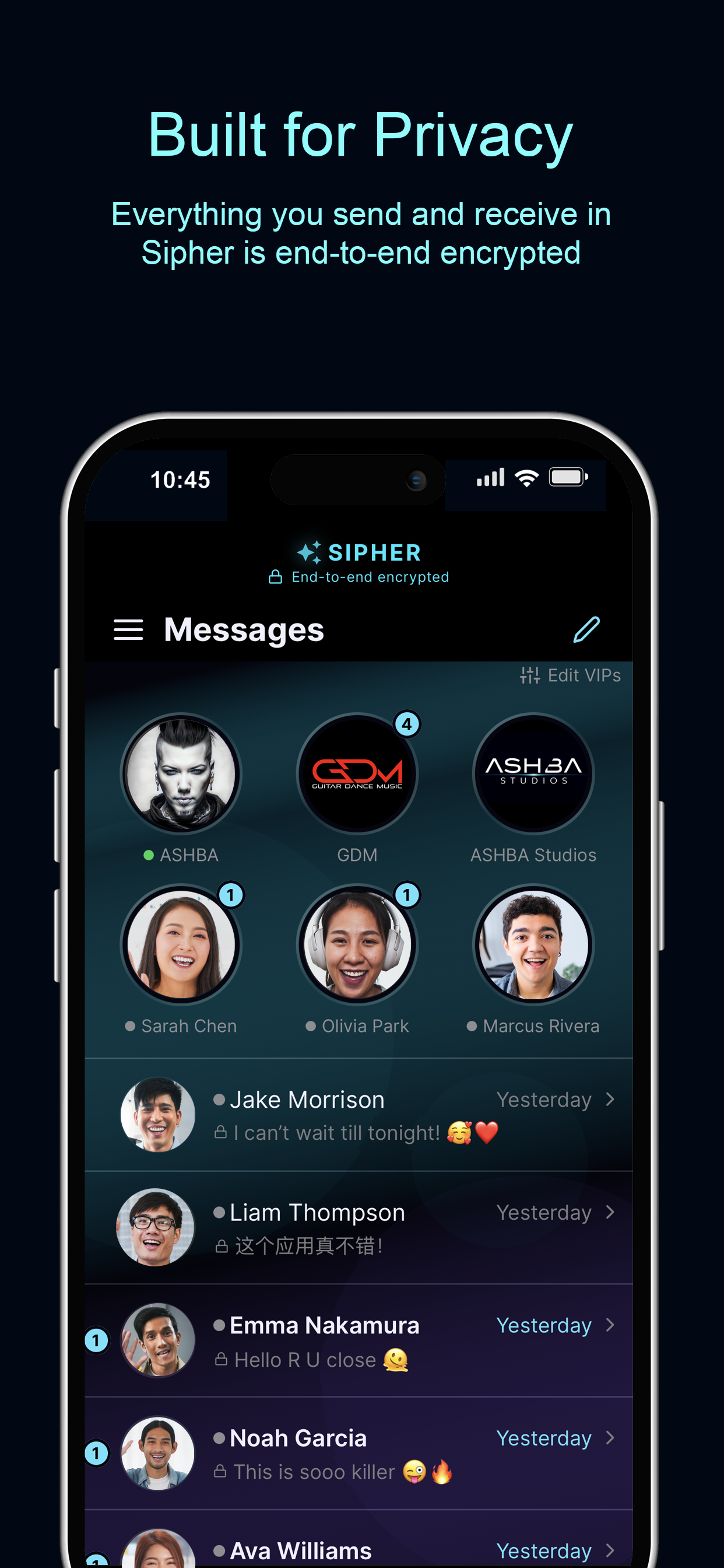
True end-to-end encryption (E2EE) is fundamentally different. With E2EE, the message is encrypted on your device before it ever leaves — and it can only be decrypted by the intended recipient's device. No server in the middle ever sees the plaintext. Not ours. Not anyone's.
The Cryptography Behind Sipher
Sipher's encryption stack is built on two industry-hardened standards:
Why Metadata Is Just as Dangerous as Content
Here's a truth most privacy conversations skip: even if no one can read your messages, your metadata tells a story. Who you talk to. How often. At what hours. For how long. This information alone can expose relationships, movements, business dealings, and personal struggles.
Sipher is architected to minimize metadata exposure at every layer. We don't log communication graphs. We don't retain timestamps linked to identities. The architecture treats metadata with the same hostility it treats message content.
What This Means in Practice
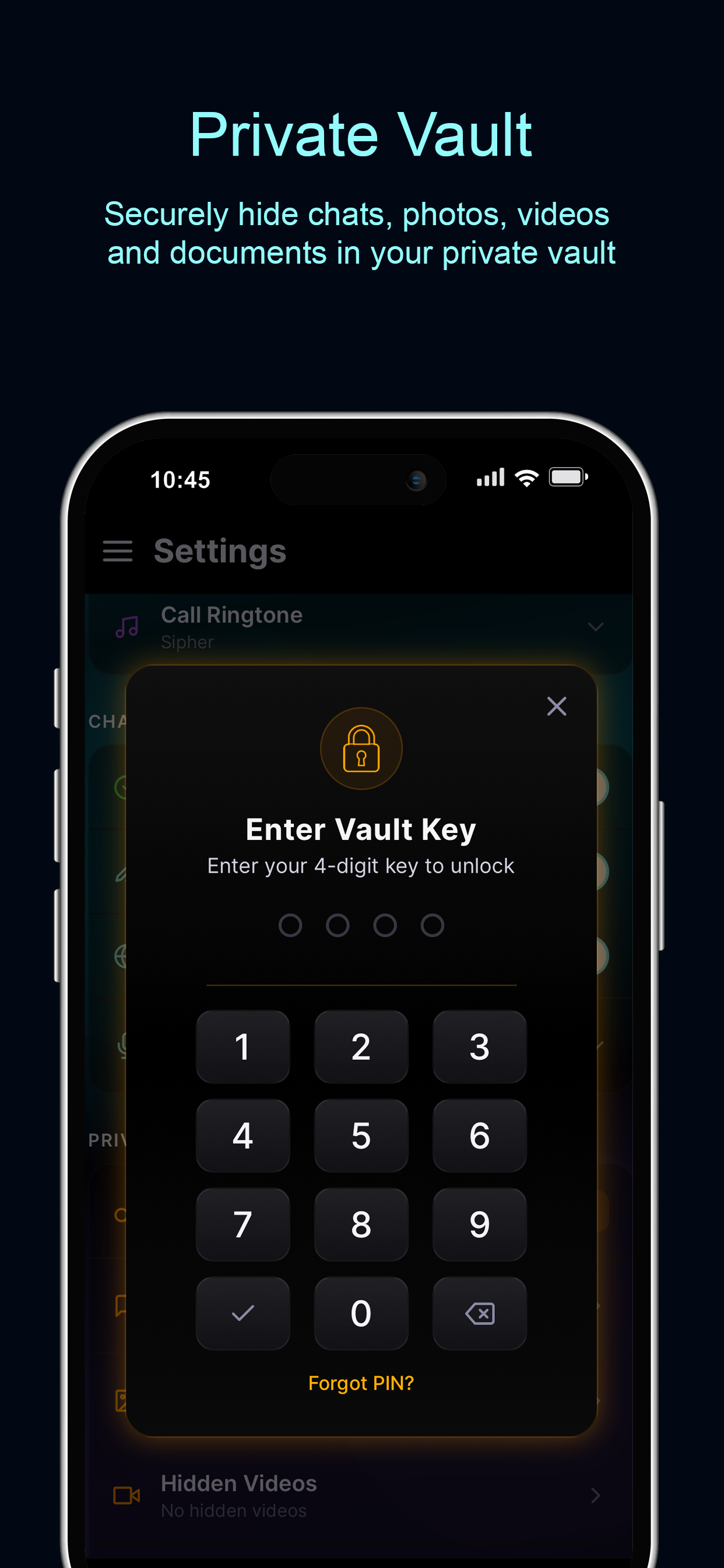
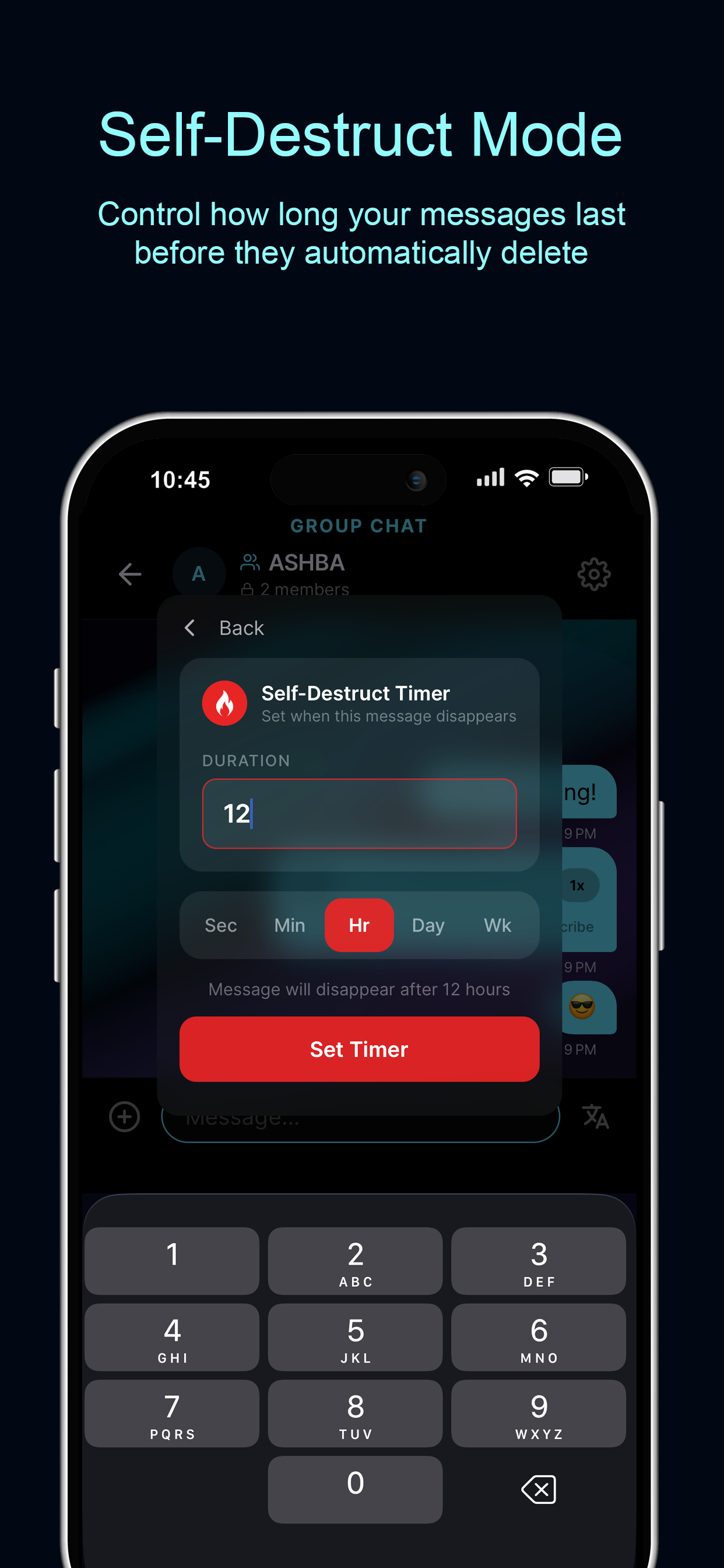
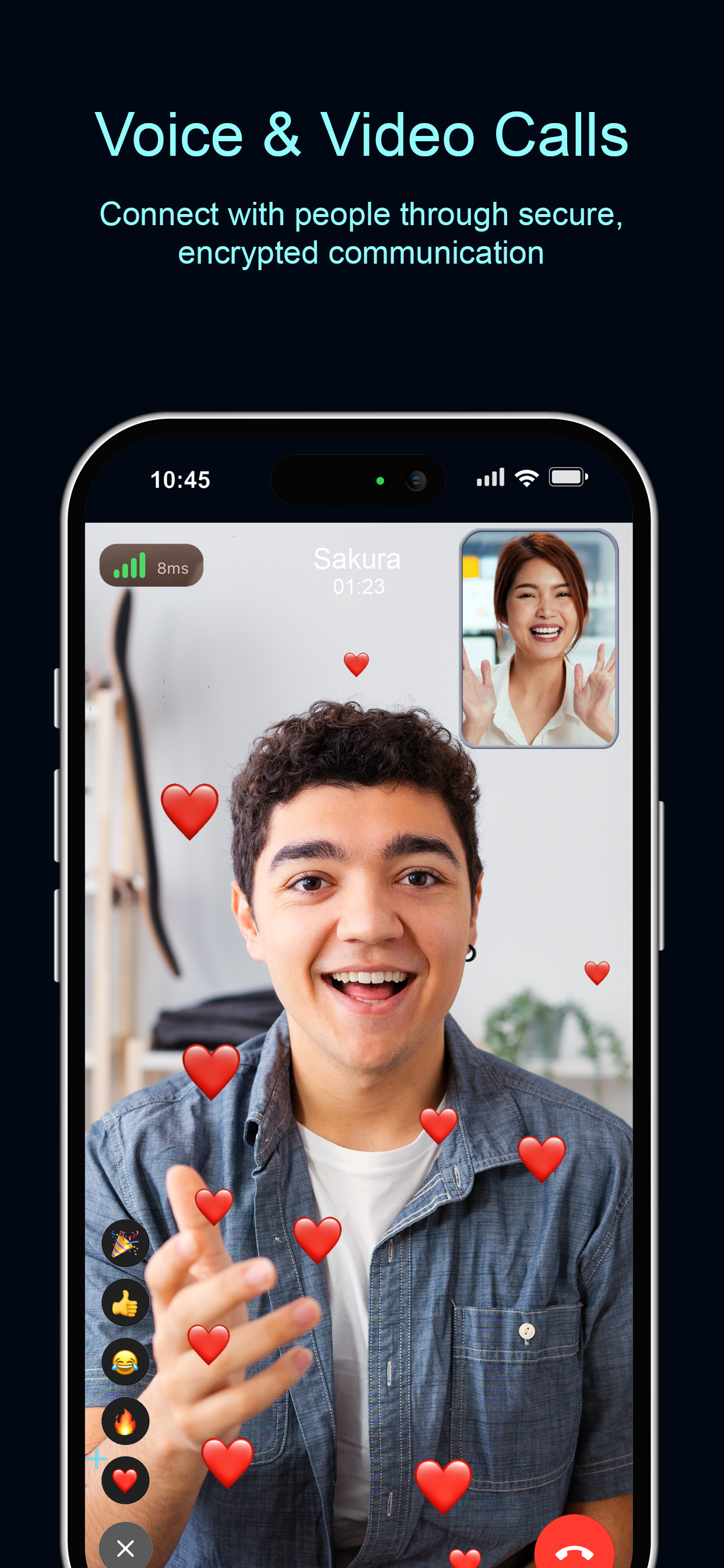
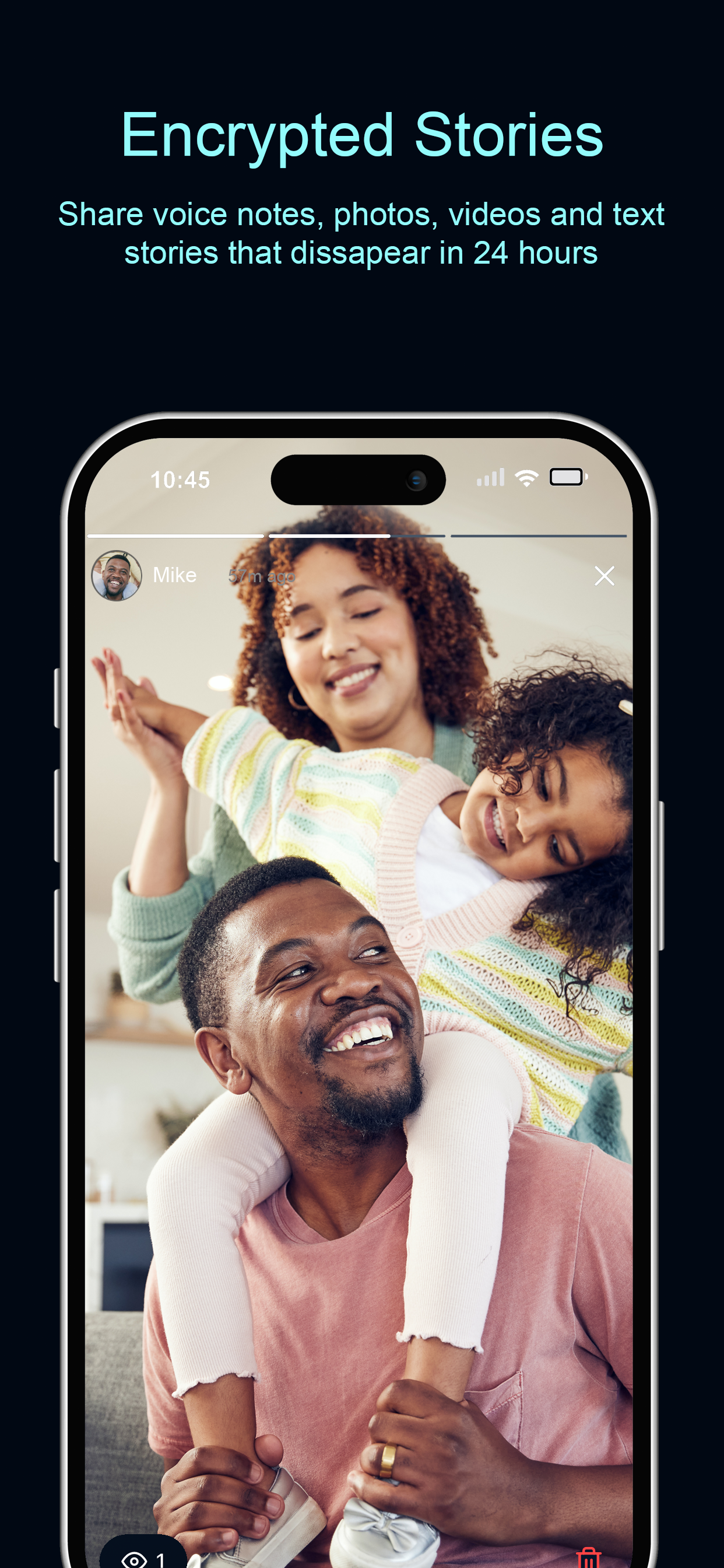
Every message you send in Sipher — text, voice note, photo, video — is encrypted before it leaves your device. Calls are encrypted in real time. Your Private Vault is protected by biometric lock and a separate encryption key that never touches our servers. Self-destruct timers delete messages at both ends simultaneously.
The Bottom Line
Your digital communications are more exposed than at any point in history — not because encryption doesn't exist, but because most apps don't implement it correctly. Sipher was built from the ground up with one non-negotiable: what you say stays between you and the person you said it to. That's not a marketing claim. It's a cryptographic guarantee.
More from the Blog